Design-build vs. design-bid-build is usually argued as an owner’s question about contracts and risk. For the structural steel package it is also a question of timing: when the fabricator first sees the frame, who designs the connections, and when the mill order can go in. We work both ways, and here is what each method means for a full Division 5 steel package.
What is the difference between design-build and design-bid-build?
The difference is the number of contracts. In design-build, one contract covers both design and construction, and the Design-Build Institute of America calls that single contract the fundamental difference from other delivery methods. In design-bid-build, the owner hires a designer, finishes the design, bids it to contractors and signs a separate construction contract.
As DBIA puts it, in all other delivery methods there are separate contracts for design and construction. DBIA also says design-build is now the fastest growing and most commonly used delivery method in the United States.
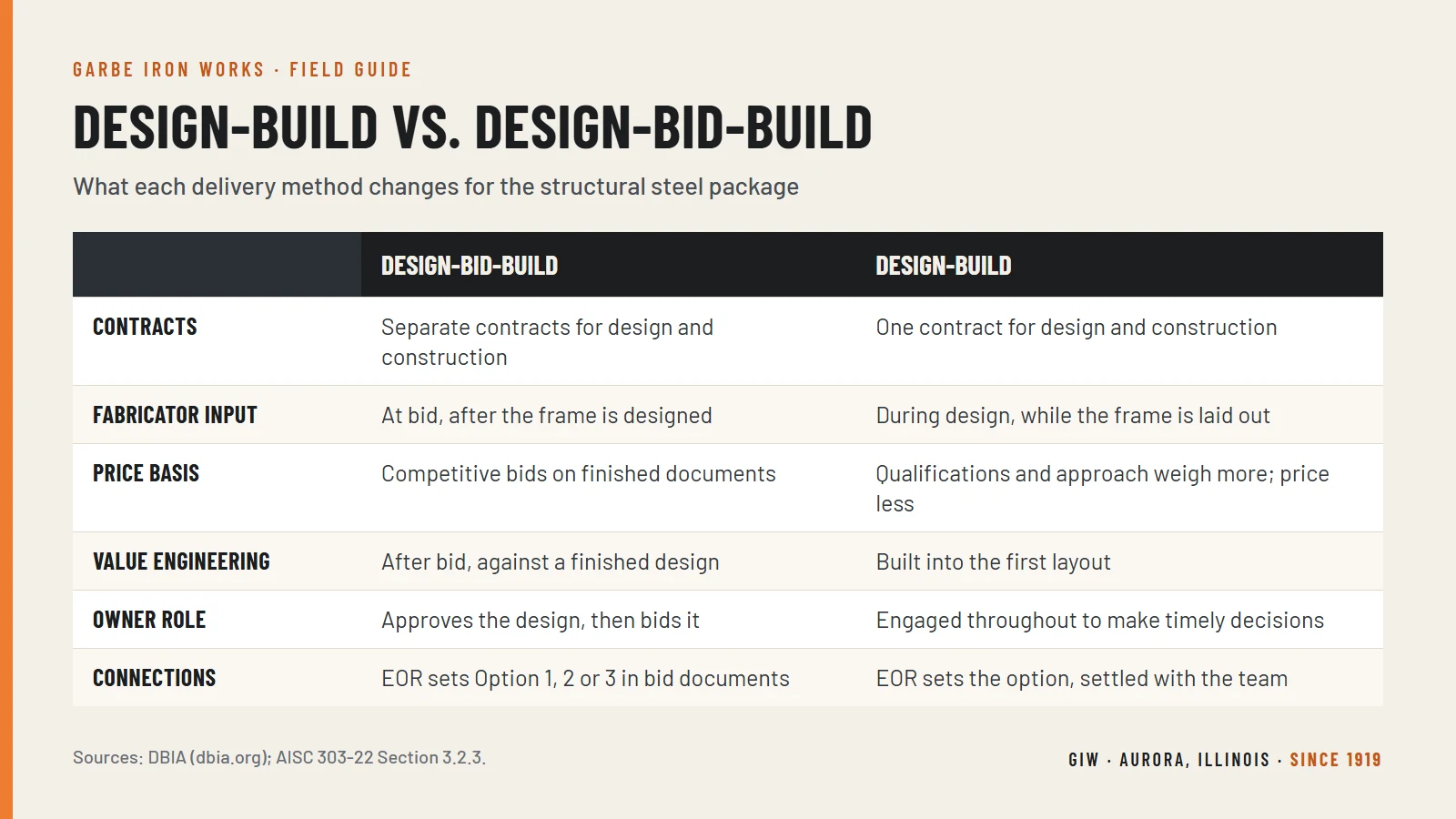
For the steel package, the practical difference is when the fabricator’s knowledge enters the design. In design-bid-build, steel is usually priced off finished bid documents. In design-build, it can be shaped while the frame is still on the engineer’s screen.
When the steel fabricator gets involved
In design-bid-build, the fabricator usually sees the steel when the bid documents come out, after the frame is designed. In design-build, the fabricator can be at the table while the frame is laid out, so shop and erection experience shapes member choices, connections and sequence before the drawings are final.
DBIA’s myths and facts page says design-build lets the builder give design input directly to the designers and encourages early collaboration with key trade partners, which opens the door to alternative materials and production methods. Its shorthand is designing to build, not designing to bid.
That is how we approach it. We have arrangements with several structural engineering firms, so we can offer design-build as well as the traditional design-bid-build approach. On design-build work you get a shorter lead time on the design, and the steel design is worked out for economy from the start.
Who designs the steel connections
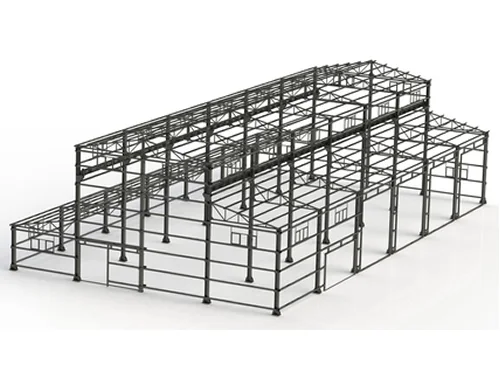
Under either method, the AISC Code of Standard Practice has the engineer of record pick one of three options for each connection: the engineer shows the complete design, an experienced steel detailer selects or completes it from the engineer’s information, or a licensed engineer working for the fabricator designs it. The engineer of record still approves the drawings.
The rules are in Section 3.2.3 of ANSI/AISC 303-22, summarized in AISC’s toolbox talk on requirements for connections. For Option 2 or 3, the engineer of record has to put the criteria on the documents: conceptual connection details, any restrictions on connection types, the shears, moments, axial and transfer forces, and whether LRFD or ASD applies. Under Option 3, representative samples of the substantiating connection information are submitted and confirmed early.
Two more points from the commentary. Options can be mixed on one project, grouped by connection type. And preferred connection types vary between fabricators and erectors, so stating restrictions up front avoids repeated changes to the approval drawings.
In design-bid-build, the option and criteria are fixed in the bid documents, and gaps tend to surface as RFIs after award. In design-build, the engineer and fabricator can settle them while the design is still moving. Either way, the call is your engineer of record’s. What we need on the drawings is the option, the loads and any restrictions.
Mill order timing and the schedule
Steel cannot be bought until someone commits to member sizes. In design-bid-build that usually waits for the bid, the award and the approval drawings. Design-build can let the team settle sizes sooner and release material in packages, because the fabricator is already on the team when the frame settles. Either way, the schedule should say when design documents release.
Section 9.5.1 of the Code says the contract schedule must state when the design documents will be released for construction, if they are not available at bidding, and when the jobsite and foundations will be ready for the erector. Section 9.5.3 says that if fabrication or erection is significantly delayed by revisions to the contract requirements, the fabricator or erector is compensated for the added cost. Both are in AISC’s toolbox talk on scheduling and terms of payment. Late changes cost money under either method, and DBIA counts fewer changes among design-build’s benefits.
Material supply with mill test reports is part of our package. Purchasing and inventory run through our Tekla PowerFab system, so material, estimates and production control live in one place from the day we price the job to the day it ships.
Value engineering: before or after the bid
In design-bid-build, value engineering usually happens after the bid, against a finished design, so every accepted idea means redrawing and re-approving. In design-build, the same thinking goes into the first layout. That is the point of our design-build arrangements: the steel design is worked out for economy from the start, not corrected later.
On a steel frame, the ideas that matter most are rarely exotic: repeating member sizes and connection types, connections the shop and erector handle well, pieces sized to ship and lift sensibly, and joists and deck coordinated with the frame that carries them. Each is cheap at layout and expensive later.
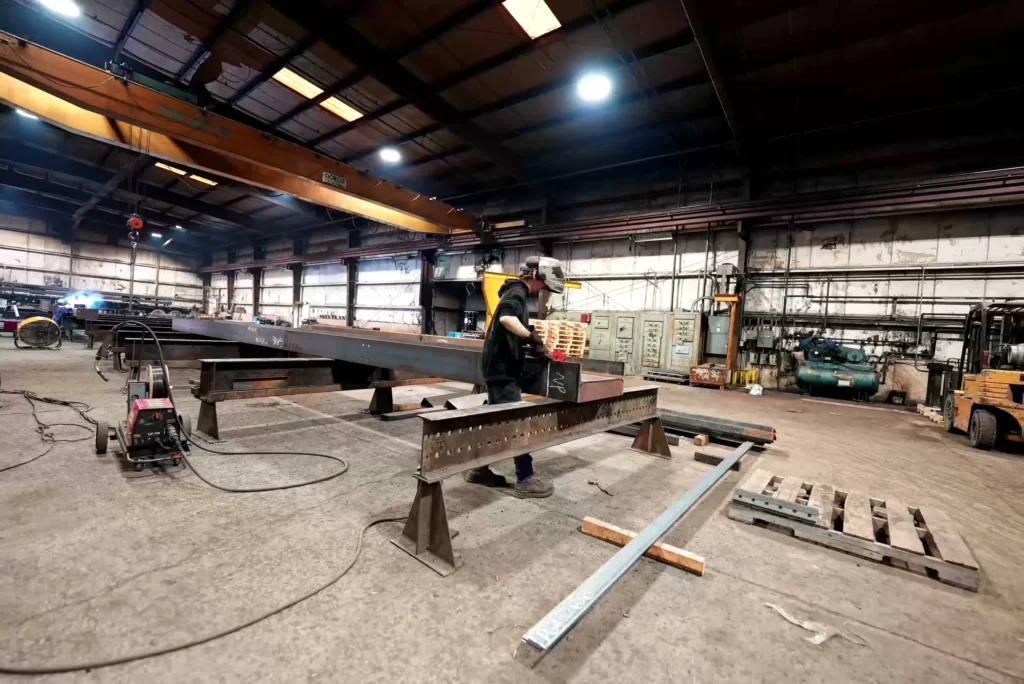
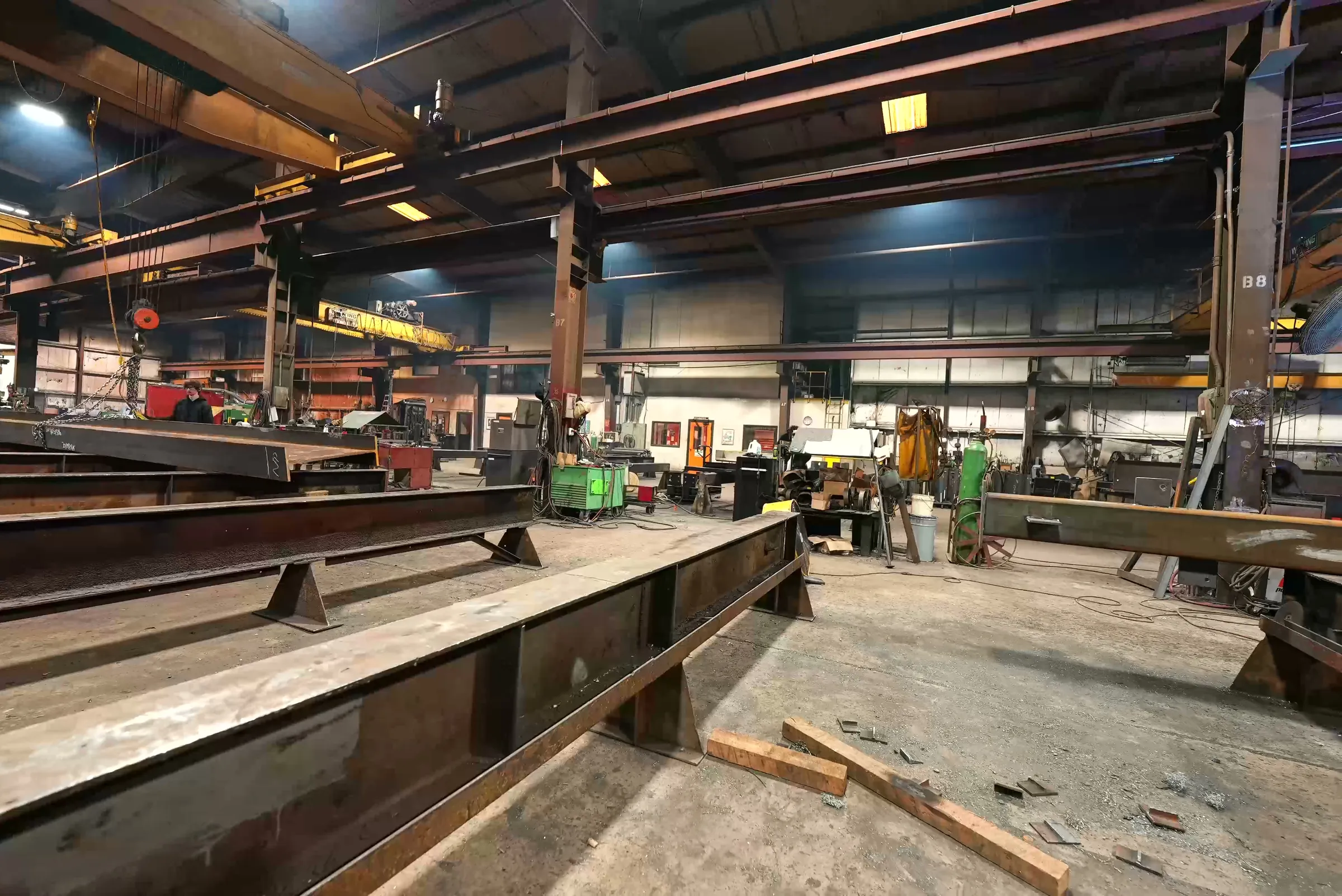
The drawings carry those decisions to the floor. Our CNC machines take their data straight from the computer-generated shop drawings, so the saws, drill line and plate processor cut from the same numbers our steel detailing team drew. Our article on structural steel shop drawings, from detailing to CNC covers that approval cycle.
One point of responsibility under either method
Delivery method decides who holds the design contract. It does not decide how many companies you coordinate for the steel. Under design-build or design-bid-build, we can carry the full Division 5 scope: detailing, material with mill test reports, fabrication, erection, joists, trusses, deck and miscellaneous steel, on one contract with one point of responsibility.
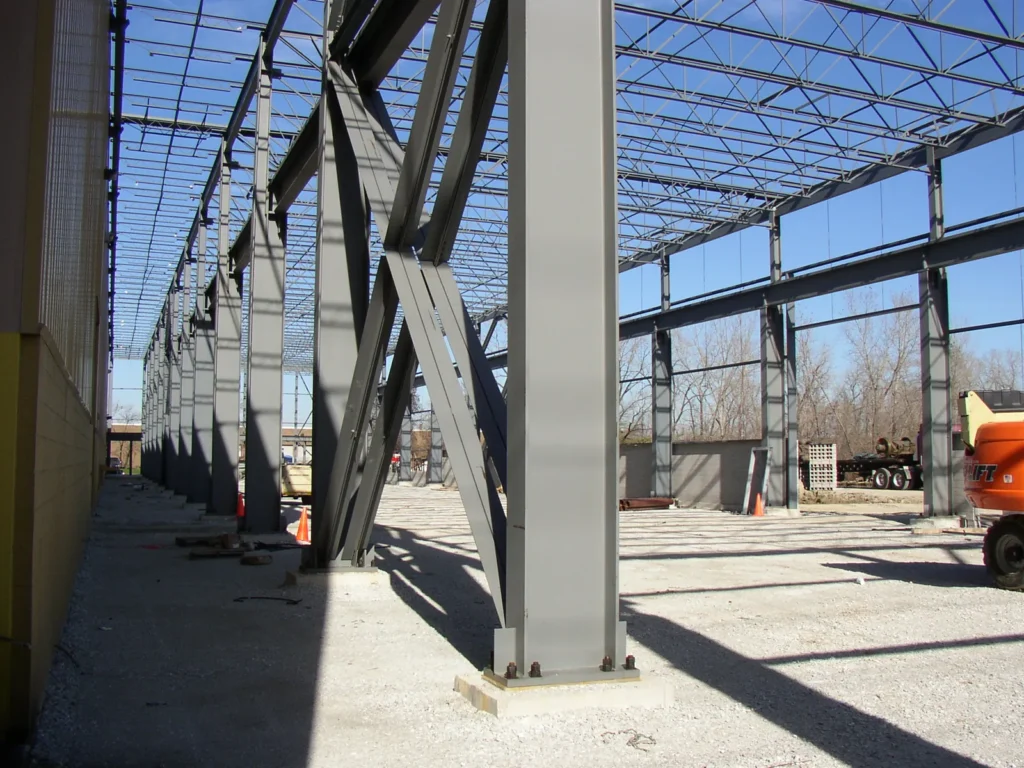
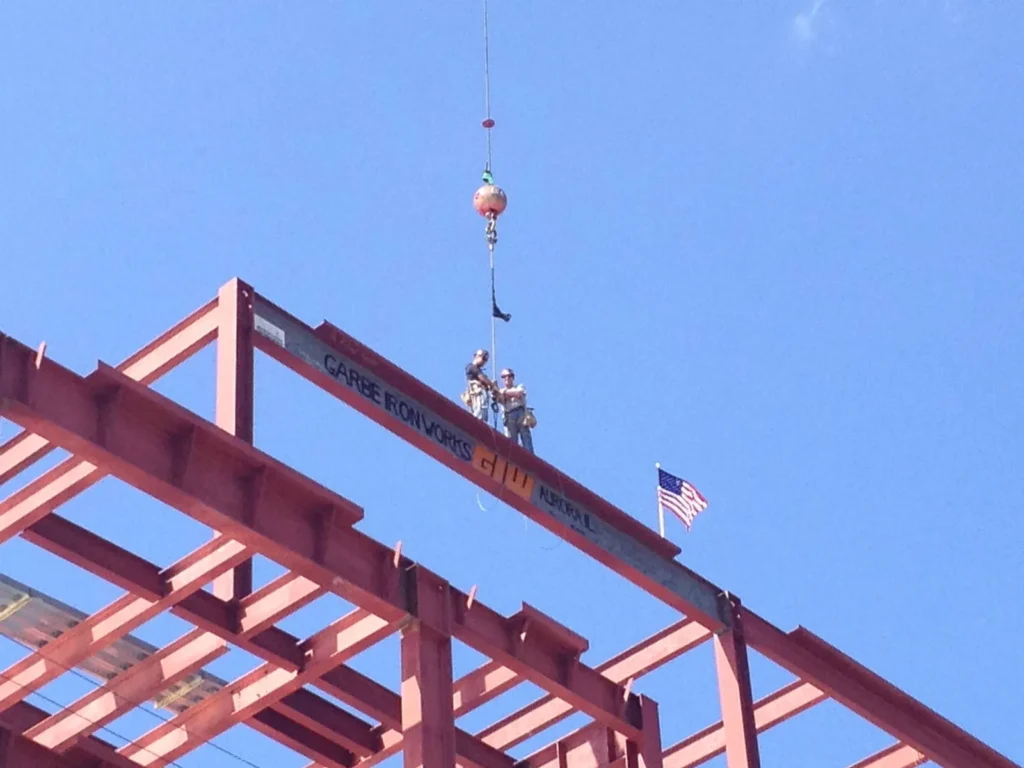
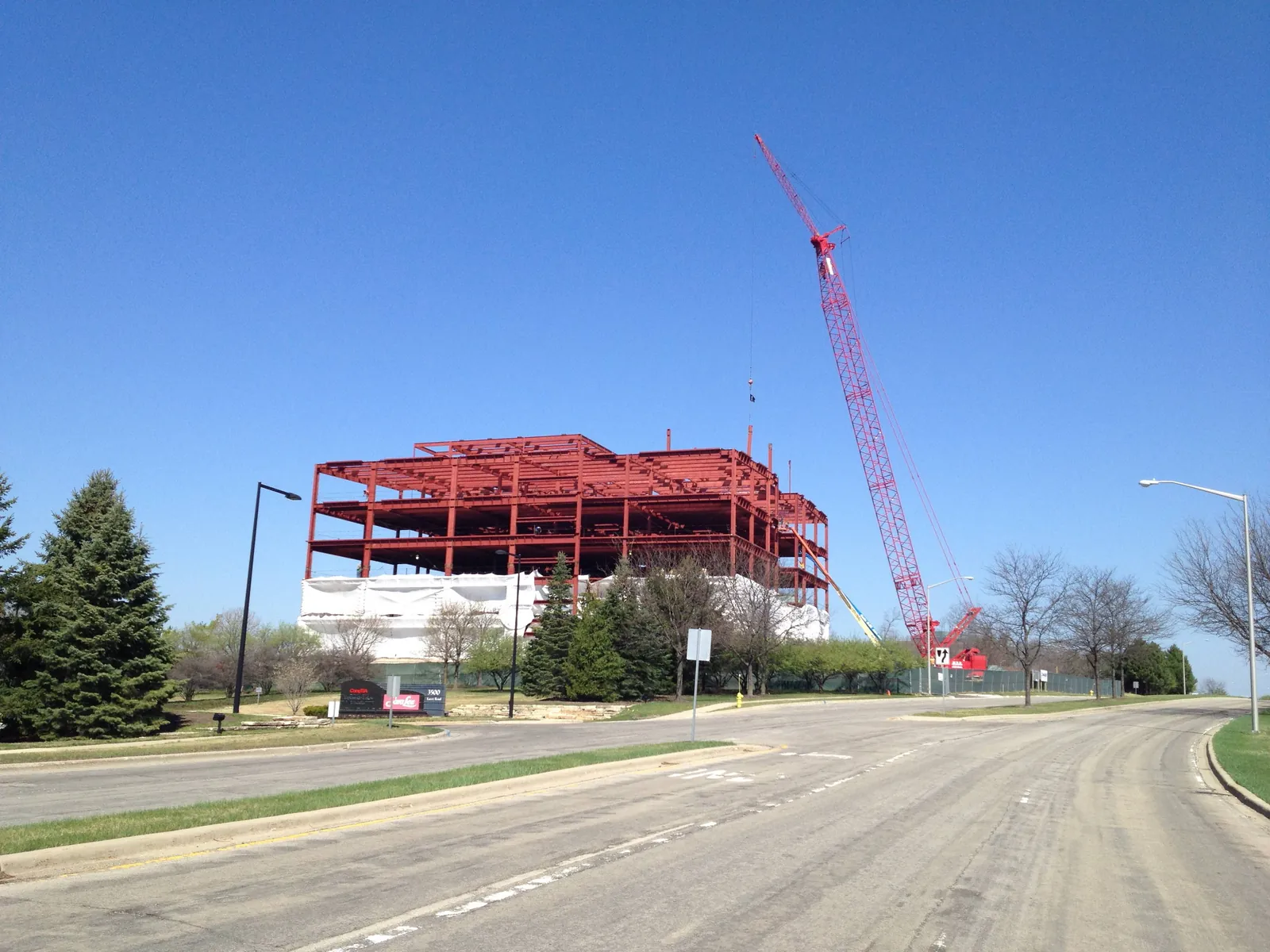
That matters most in design-bid-build, where design and construction are already split. Splitting the steel again, between a detailer, a shop, a joist supplier, a decker and an erector, adds hand-offs nobody owns. With one company carrying the package, drawings, steel and field crews run on one schedule. Erection runs through the erectors on our own project team, including several AISC Certified Erectors. Our guide to the steel erection sequence shows how that plays out in the field.
We also write straight fabrication-only proposals, including for other fabricators who need help making a schedule. For the shop side in detail, see how structural steel is fabricated, step by step.
 Watch: Maximizing Tonnage and Shop Floorspace (Peddinghaus, 4 min)
What are the disadvantages of design-build?
Design-build asks the owner to pick a team before the design is finished, so price competition carries less weight than in design-bid-build, and the owner has to stay engaged to make timely decisions. DBIA, which promotes the method, says both. For an owner who wants a hard price on complete drawings before committing, design-bid-build is still the cleaner fit.
DBIA’s myths page frames both as strengths: competition built on qualifications, past performance and technical approach, with price less of a factor, and an owner fully engaged throughout. To an owner without the staff to stay engaged, they are costs.
Design-bid-build has its own steel costs: fabricator input arrives late, connection questions show up as RFIs, and value engineering means redesign. The question is which set of costs your project can carry.
Which delivery method fits your steel package?
Design-build tends to suit steel when schedule pressure is high, the frame is still flexible, and the owner wants one team accountable for design and construction. Design-bid-build suits an owner who wants a completed design bid competitively, or a structure that is already engineered. Either way, bring the fabricator in as early as the contract allows.
| For the steel package | Design-bid-build | Design-build |
|---|---|---|
| Contracts | Separate contracts for design and construction | One contract for design and construction |
| Fabricator input | At bid, after the frame is designed | During design, while the frame is laid out |
| Connection design | Option set in the bid documents by the engineer of record | Option set by the engineer of record, settled with the team |
| Price basis | Competitive bids on finished documents | Qualifications and approach weigh more; price less |
| Value engineering | After bid, against a finished design | Built into the first layout |
Whichever method you choose, settle these with your steel team early:
- Which connection design option applies to each connection type, and are the loads on the drawings?
- When will design documents be released for construction, and when will foundations be ready?
- Is erection on the same contract as fabrication?
- Are joists, deck and miscellaneous metals in the steel package, or separate buys?
- What reports will you see? We can share Tekla PowerFab reports such as drawing lists with revisions and shipping tickets with weights.
Frequently asked questions
What are the disadvantages of the design-build process?
The owner commits to a design-build team before the design is complete, price carries less weight in selection than it does in design-bid-build, and the owner has to stay engaged to make timely decisions throughout design and construction.
What is a design and build contractor?
A design-build contractor holds a single contract with the owner for both the design and the construction of a project. The designers work on the same team as the builder instead of under a separate contract with the owner.
What are the key steps involved in the design-build construction process?
In progressive design-build, the owner selects the design-builder mainly on qualifications, then the two advance the design and cost model together until they agree on a design concept and contract price, and construction follows. In two-step best value design-build, the owner shortlists the most qualified teams first, then picks the best-value design and price proposal.
Does Garbe Iron Works offer design-build for structural steel?
Yes. We have arrangements with several structural engineering firms, so we can offer design-build as well as the traditional design-bid-build approach. Design-build gives a shorter lead time on the design, and the steel design is worked out for economy from the start.
Who designs steel connections in design-bid-build?
The AISC Code of Standard Practice has the engineer of record designate one of three options for each connection: complete design on the structural drawings, selection or completion by an experienced steel detailer, or design by a licensed engineer working for the fabricator.
Weighing delivery methods for a steel building? Request a quote for the full Division 5 package or fabrication only, or call 630.897.5100.
About the publisher. Garbe Iron Works has detailed, fabricated and erected structural steel in Aurora, Illinois since 1919. We offer design-build through arrangements with several structural engineering firms as well as design-bid-build, and we carry the full Division 5 scope out of a 32,000 sq. ft. CNC shop with more than 5,000 tons of annual capacity. GIW is AISC certified, and every welder is AWS certified.